

From Yugoslavia to Iran: When Capital No Longer Pretends
Contributed by: Miki (Cadre ACP)
Donald Trump is an unconscious appetite that burrowed its way to the surface, where it became encrusted. His first go-around (2017–2021) marked liberal democracy’s final attempt to conceal its driving force. Europeans feigned ignorance, while the U.S. ruling elite tried to reassure both itself and an exhausted public that Trump was an anomaly, not a revelation of what the ruling class has always been.
During the phase (roughly 1870s–1970s) when profit depended on the manufacturing and sale of tangible goods, patience still mattered in liberal democracies. Without composure, persistence, and restraint, no production can be organized and no commodity is made. Those same qualities enabled the ruling class to craft and maintain a polished facade, complete with persuasive justifications for why dissenters needed remodeling.
The effects of the shift from production to financialization (roughly 1990s–present), coincided with Bill Clinton’s Oval Office scandal, leaving stains across the pages of the NAFTA Implementation Act. George W. Bush’s presidency was marked by regression to Neverland, while subprime lending surged forward. Obama was a gold-star recruit who popularized fancy terms like quantitative easing to pacify and obscure. Biden was a literal butt vapor fuel for monetary policy’s liquidity that powered financial markets during his four-year slumber, while deeper structural issues remained untouched.
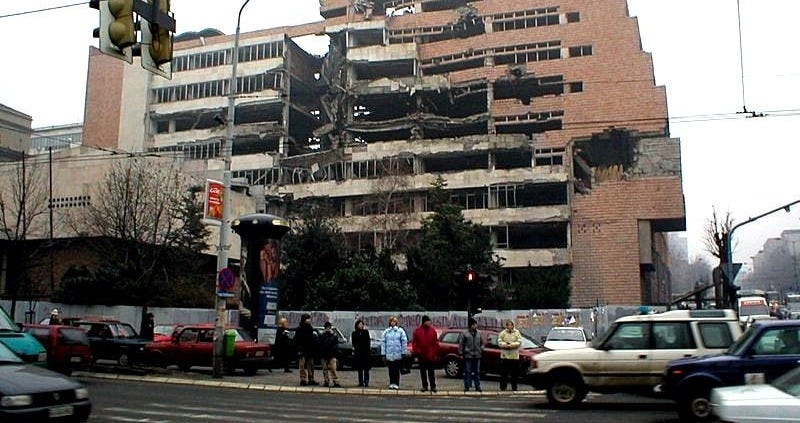
As the economy evolved from making things to hocus-pocus illusions, the ruling class became increasingly restless. The earlier facade of moral legitimacy in liberal democracies has given way to clip-on justifications that are no longer persuasive. The transition from production to financialization stripped away restraint and methodical plotting, revealing the limbic goblins who now openly blow up schools in Iran.
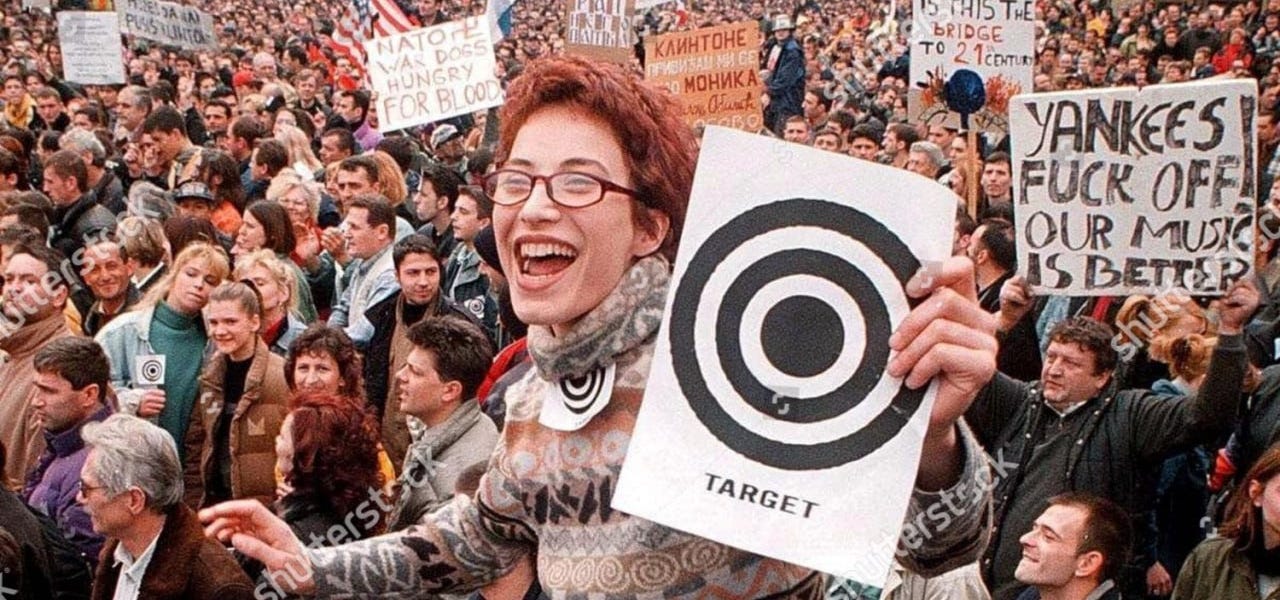
The rupture in the rules-based order we are witnessing now stems from a long, winding crack when Serbian grandmas were mooning the skies during the 78-day-long NATO humanitarian intervention in 1999. The language used to legitimize the aggression was noble; the explosions killed Milica Rakić.
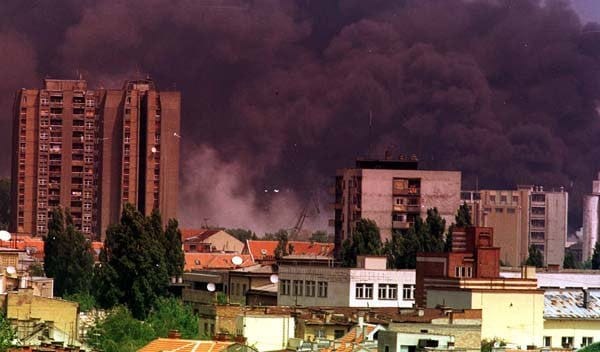
The Responsibility to Protect (R2P), refined in this period, became a doctrine through which intervention was moralized. In practice, it destabilized regions and opened space for criminal economies in the Balkans. It helped drug trade and prostitution thrive. Today, the Iranian diaspora is urging the Epstein class to bring the same kind of liberation to Iran. The difference is that in the 1990s, Serbia faced isolation: no social media, limited global scrutiny, a geopolitical environment shaped by unchallenged Western dominance, and Epstein was worshiping Baal in secret.
What was also missing was the Soviet Union. Without it, the collective West was able to crush Yugoslavia with a sadist’s delight while congratulating itself on its virtue. Yugoslavia’s miscalculation was its belief that nonalignment could still guarantee autonomy.
As Iran faces attacks from the same forces that once targeted Yugoslavia, it does so in a different historical moment. Nearly three decades later, the global balance has shifted. The hegemon shows signs of strain and overreach. Since the Yugoslavia episode, the logic of a speculative, fast-profit economy has permeated culture and political institutions alike. The result is less concern with coherence and fewer attempts to sustain the narratives that once justified intervention. As dire as the daily toll of death and destruction may be, Iran must recognize and amplify the paradoxical (some might say dialectical) advantages that have emerged as financialization of the hegemon’s economy has matured and exposed its gilded carcass.